supplyup.nl/apps/sparqbox
LIVE
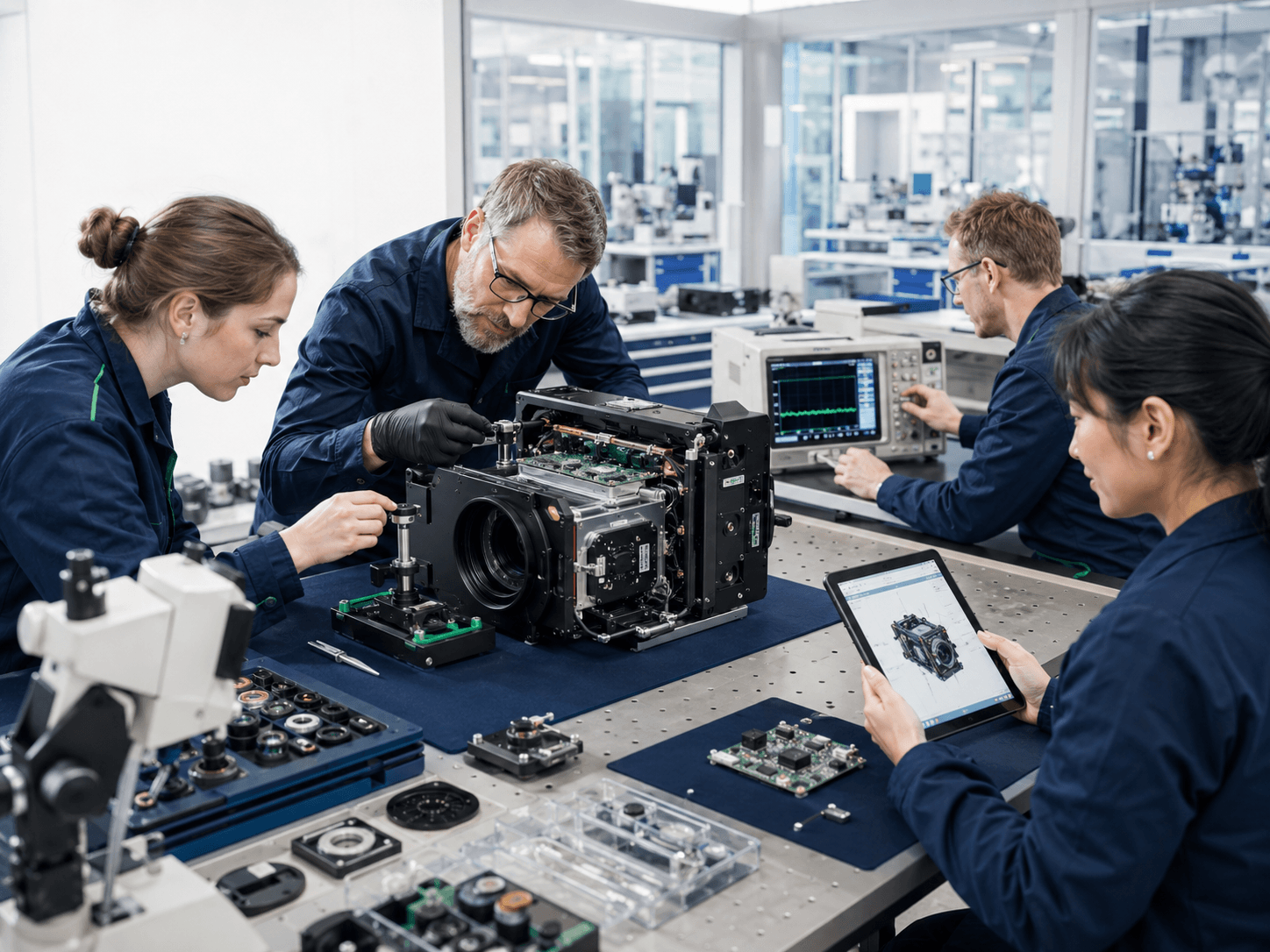
High-tech manufacturers build products that aren't finished while the factory is already running. Engineering and production interleave, series are small, tolerances tight and the chain long. Standard ERP is built for repetition — exactly what's scarce here.
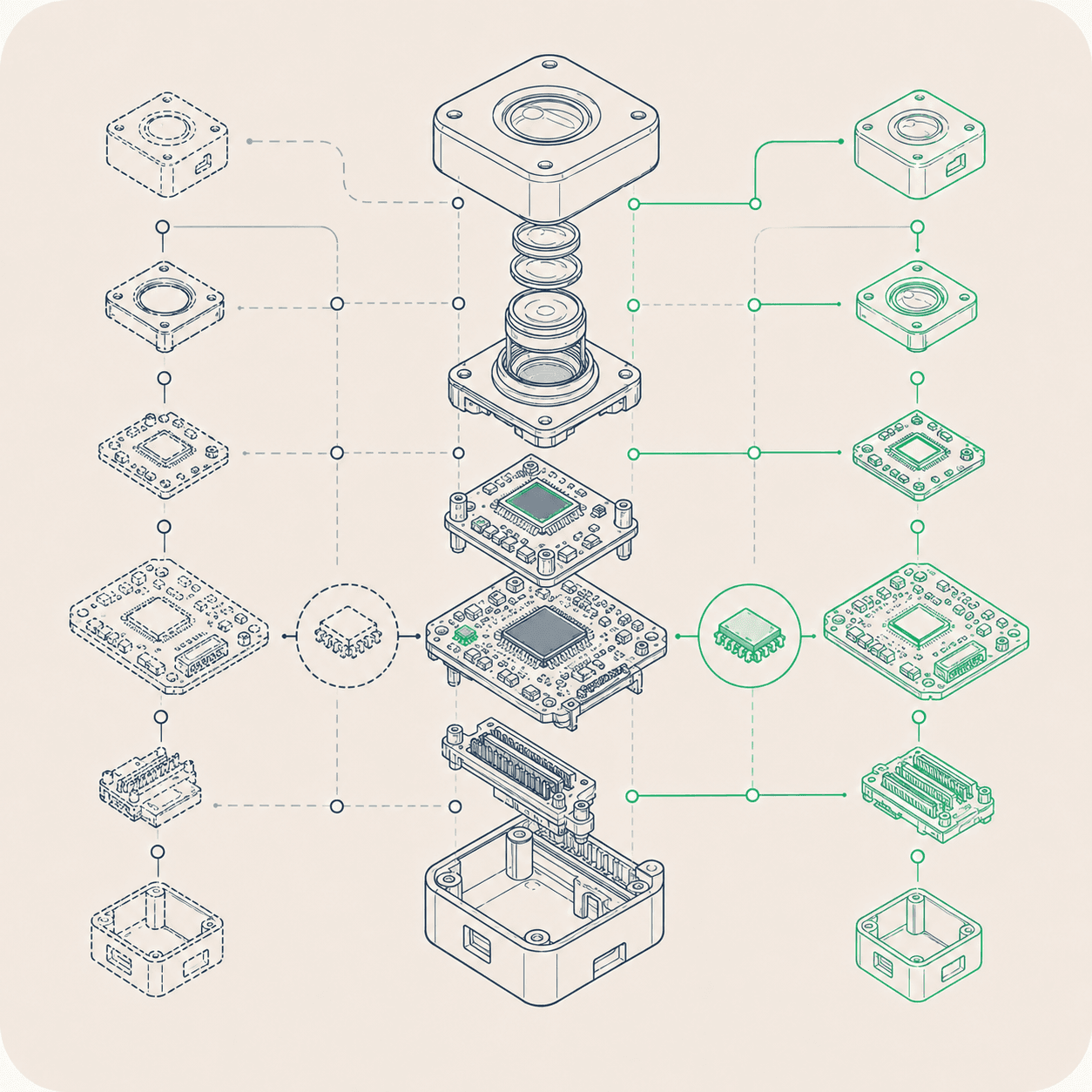
The ERP knows one part number, the floor knows ten.
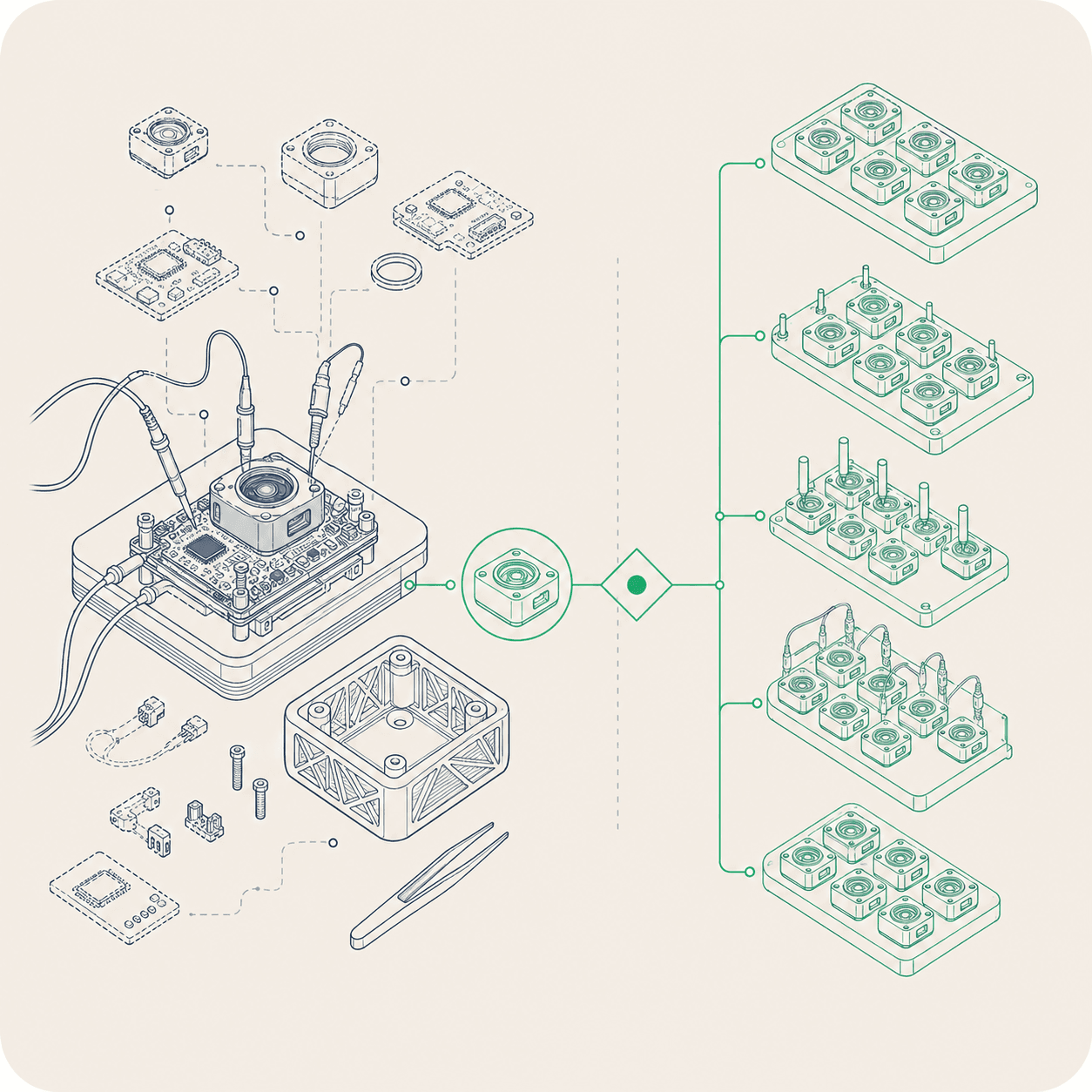
Fighting over the same people and machines.
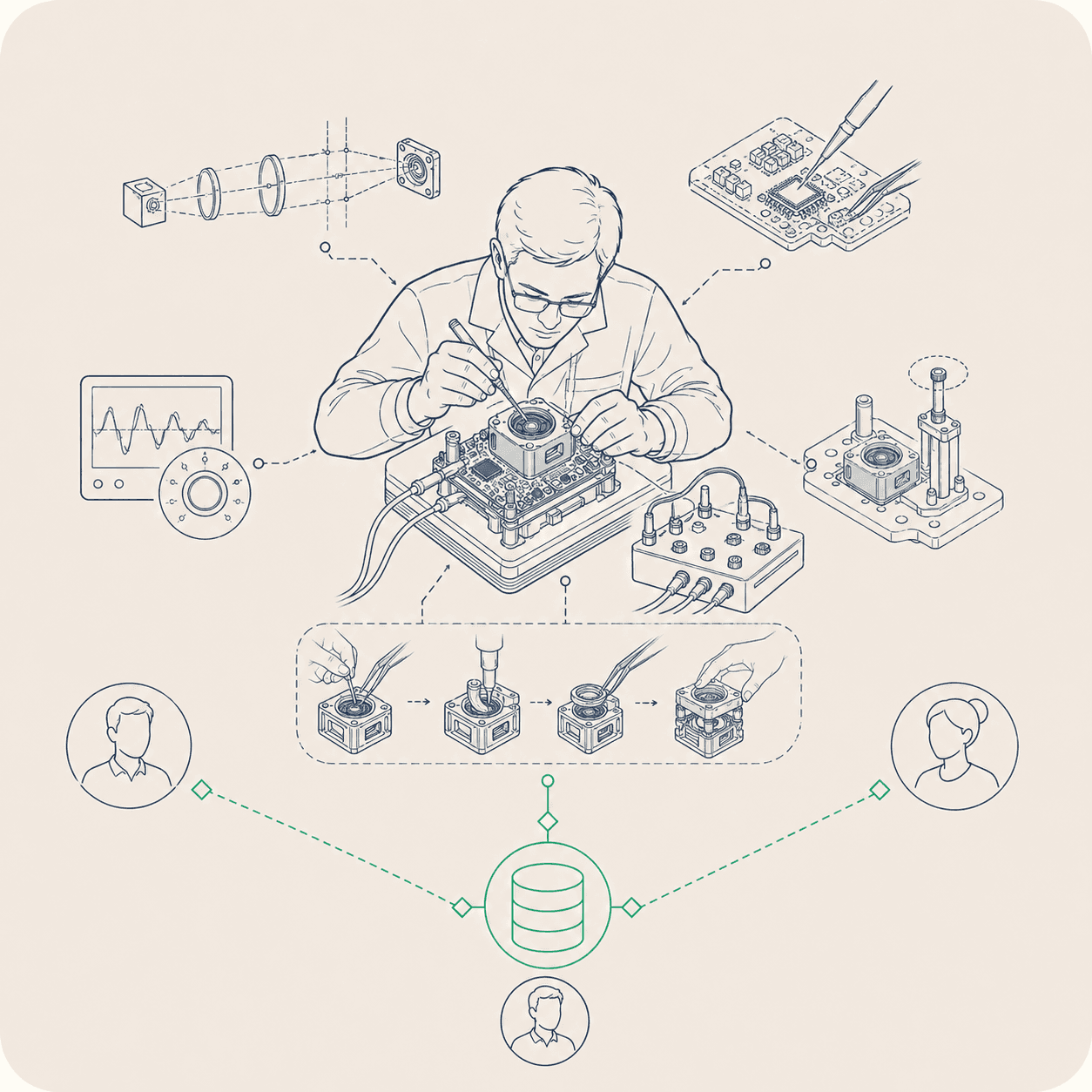
Held in heads, not in systems.
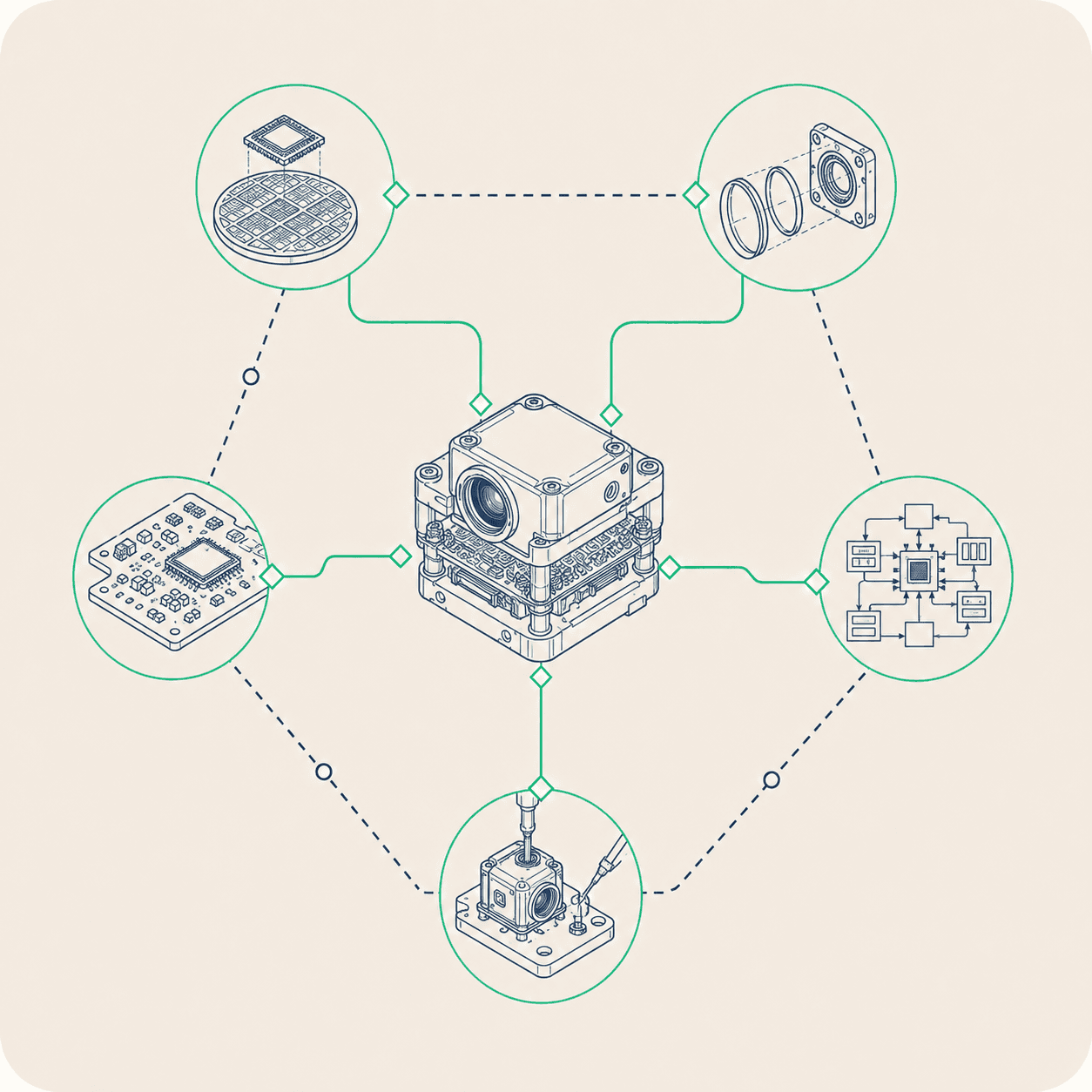
Each with their own portal and their own format.
In environments like additive manufacturing and new vehicle development we've seen how fast a system landscape fragments when the product changes monthly. The reflex is more system; the answer is usually sharper process and lighter, fitting tools.
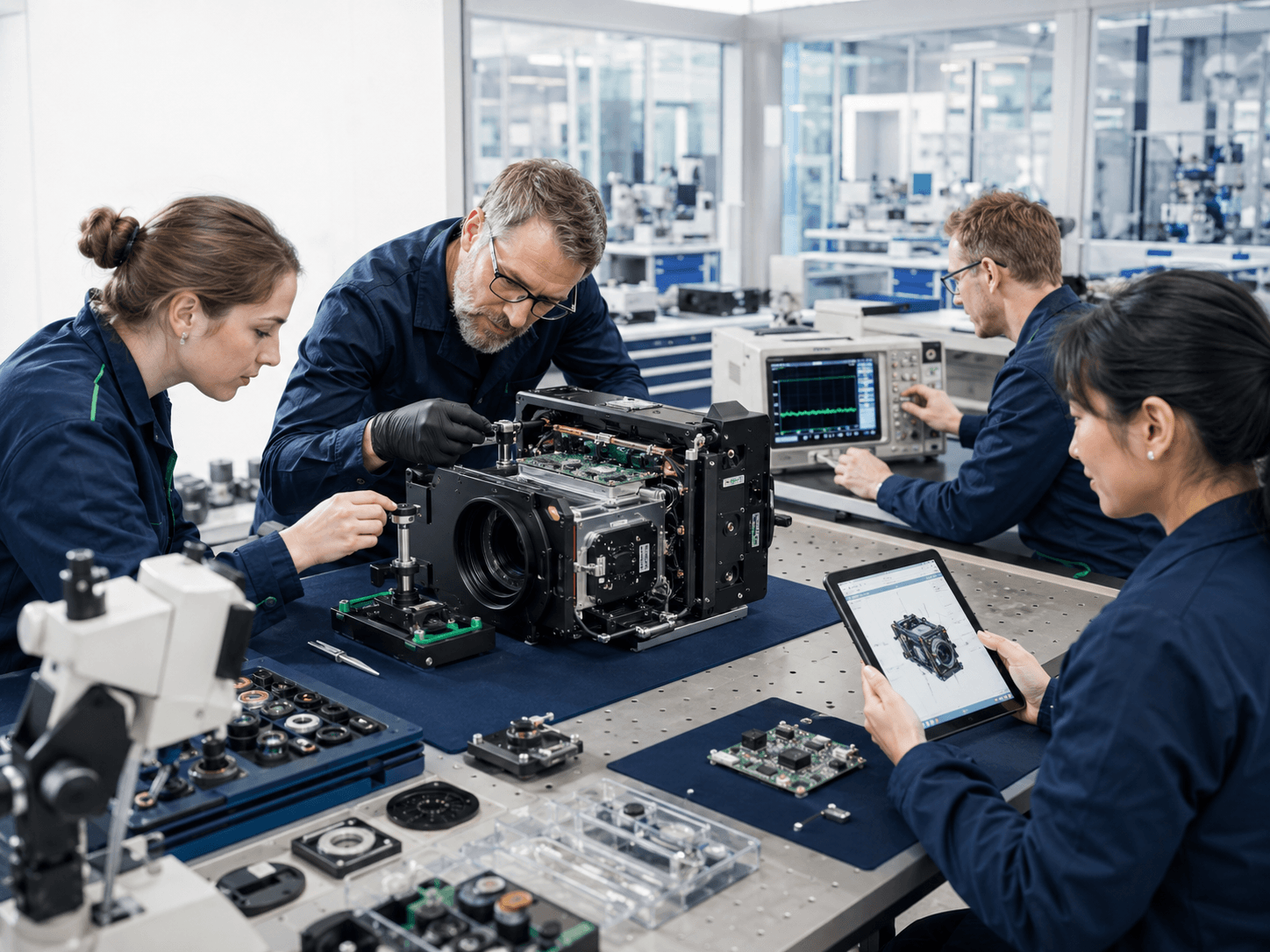
Knowledge bases and configuration apps are the sweet spot here: capturing the experience of your best engineers in software the rest of the organisation actually uses. Sparqbox grew out of that corner.
Yes, but a more modest ERP than you think: finance, purchasing and inventory standard, and the fast-changing engineering reality in flexible tools alongside — instead of custom ERP poured in concrete.
By putting the knowledge base inside the work process instead of next to it: linked to parts, orders or machines, with ownership per topic. A wiki dies; a tool that answers at the moment of the question doesn't.
Of course. References on this site are deliberately kept general; details are only shared with the companies' consent.
Tell us which process costs you most. Within one working day you'll hear what is possible and what it would take.